Neighborhood Guide
Pasadena
San Gabriel Valley · Pasadena, CA
A city of its own — Craftsman heritage, real downtown, and an architectural depth that rewards a long look.
Pasadena is one of the few places in greater Los Angeles that functions as a real city — its own downtown, its own museums (the Norton Simon, the Huntington nearby), its own newspaper of record, and a civic identity that predates LA's annexation map by decades. People who grew up here often find their way back.
Architecturally, Pasadena is one of the most interesting cities in California. Greene & Greene defined American Craftsman here in the early 1900s — the Gamble House remains the canonical example, but the bungalow neighborhoods radiating from Orange Grove are full of more modest sister works. Wallace Neff's Mediterraneans, Wright's La Miniatura, and a strong stock of postwar moderns give the city real depth across eras.
The neighborhoods vary widely: the estates of San Rafael and Linda Vista; the bungalows of Bungalow Heaven; the walkable density around Old Town and the Playhouse District; the family streets of Madison Heights. There's a Pasadena that fits almost any way of life, and they all share the same civic backbone.
The original commercial center — restaurants, bookshops, Vroman's, theaters, the Saturday farmer's market at Victory Park nearby. A real downtown with real evening life.
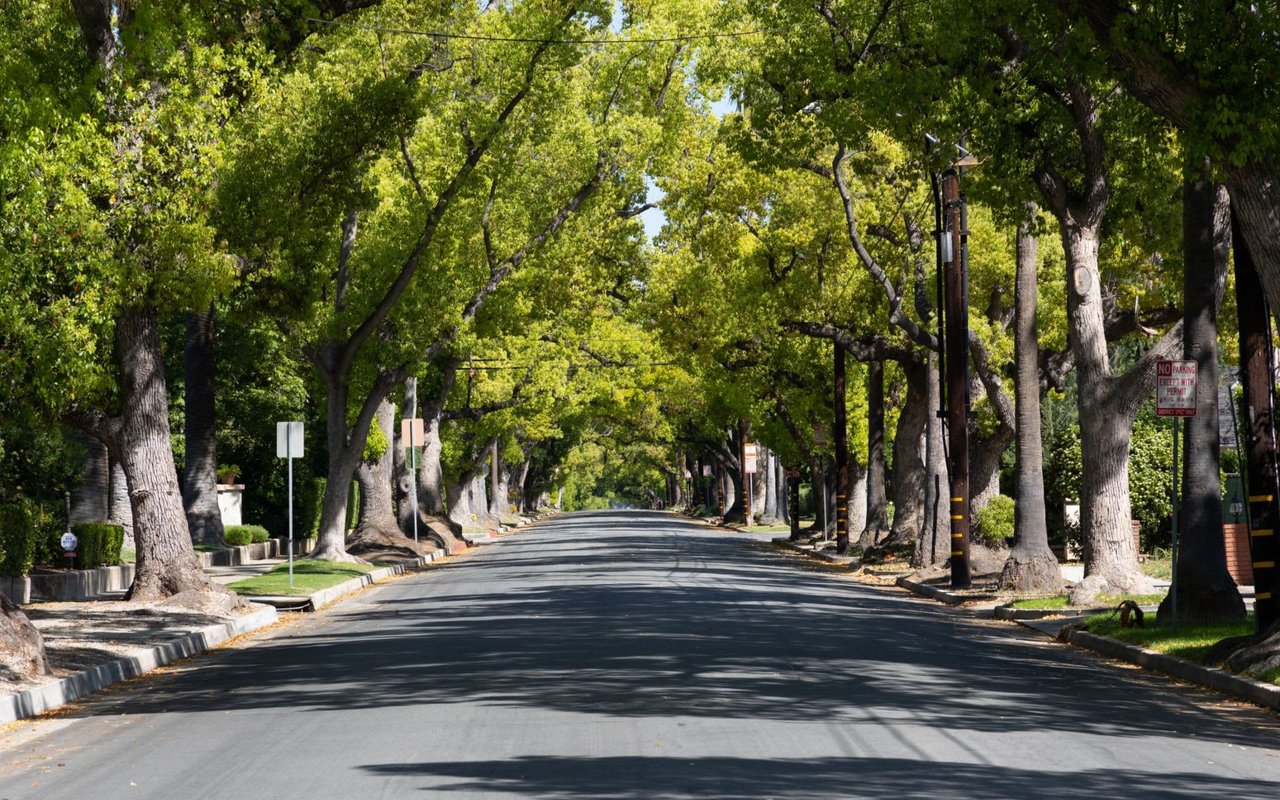
Bungalow Heaven, the streets around Arroyo Terrace, and the Prospect district are among the most consistent Craftsman neighborhoods in the country. Rewarding to walk through even if you're not buying.
The Huntington (technically San Marino, but spiritually Pasadena), the Norton Simon, the Pasadena Playhouse, Caltech, Art Center — a density of cultural and intellectual life that sustains itself.
The Gold Line / A Line connects Pasadena directly to downtown LA — one of the few LA neighborhoods where transit is genuinely useful.
Whether you're considering Pasadena or anywhere else in Los Angeles, the conversation starts the same way. Reach out — let's find out what's possible.
Let's Connect →