Neighborhood Guide
Santa Monica
Westside · Santa Monica, CA
A real beach city — its own government, its own rhythm, and the ocean breeze that changes how you live.
Santa Monica is its own city, with its own government and its own way of doing things, and that independence shapes everything about life there. Civic services, schools, planning decisions, the protected coastal zone — Santa Monica residents have a degree of local control that flat-out doesn't exist elsewhere in the LA basin.
The neighborhoods range widely in character. North of Montana, the streets settle into traditional family architecture on generous lots — this is the area many people picture when they say Santa Monica. South of Wilshire, the city gets denser and more walkable, with the Main Street and Ocean Park strips holding their own as some of the best small commercial corridors on the Westside. Sunset Park and the Pico districts offer more accessible price points.
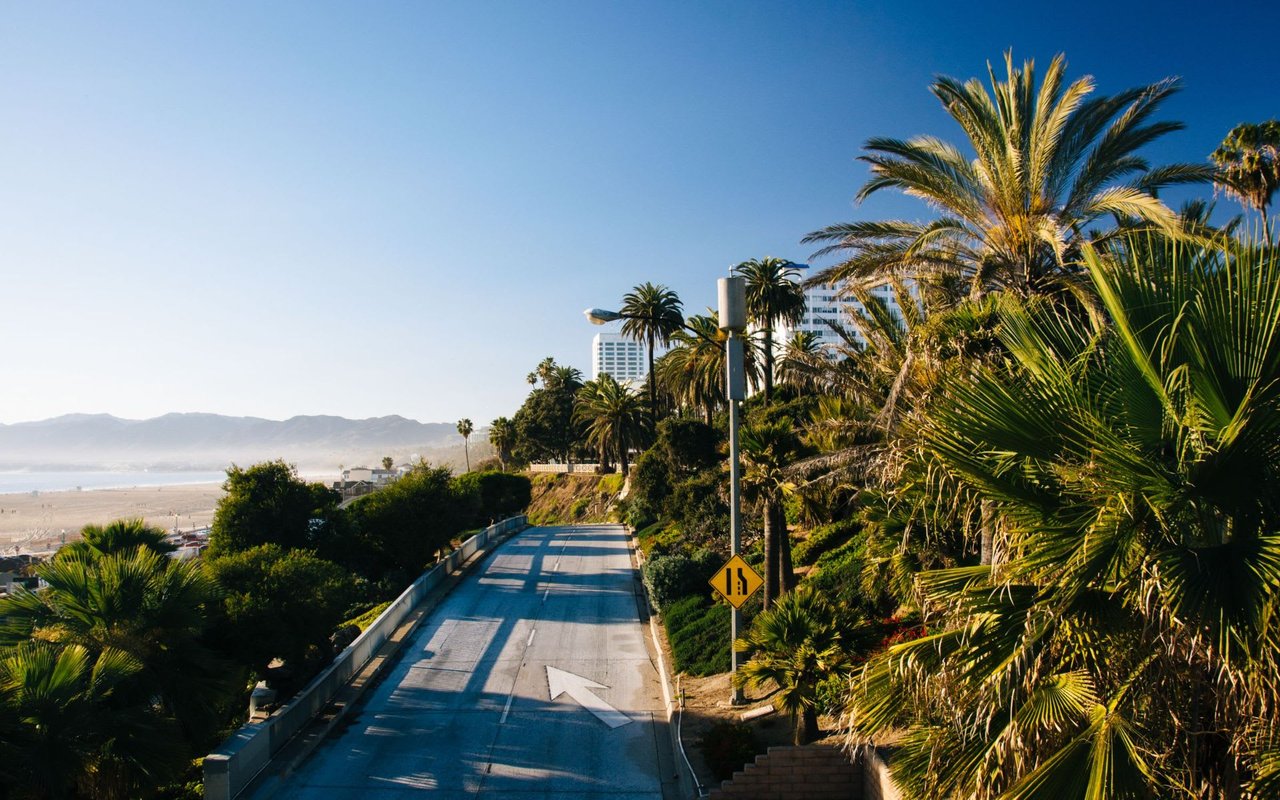
The constant is the ocean breeze. Santa Monica runs five to ten degrees cooler than the inland neighborhoods through the summer, and that difference shapes the way the city lives — outdoor dining stays comfortable, the air feels different, and the cliffs above the beach are full of joggers and dog-walkers from sunrise on.
The traditional Santa Monica family neighborhood. Wide streets, generous lots, mature trees, and a community that's genuinely walkable to school and to Montana Avenue's shops.
The southern commercial spine — restaurants, design shops, small theaters. A village within the city.
Santa Monica-Malibu Unified is well-regarded and well-funded, anchored by Roosevelt, Franklin, and Will Rogers elementaries on the family side.
Direct rail to downtown LA from the 17th St / SMC and downtown Santa Monica stations. A genuine alternative to the 10.
Whether you're considering Santa Monica or anywhere else in Los Angeles, the conversation starts the same way. Reach out — let's find out what's possible.
Let's Connect →